
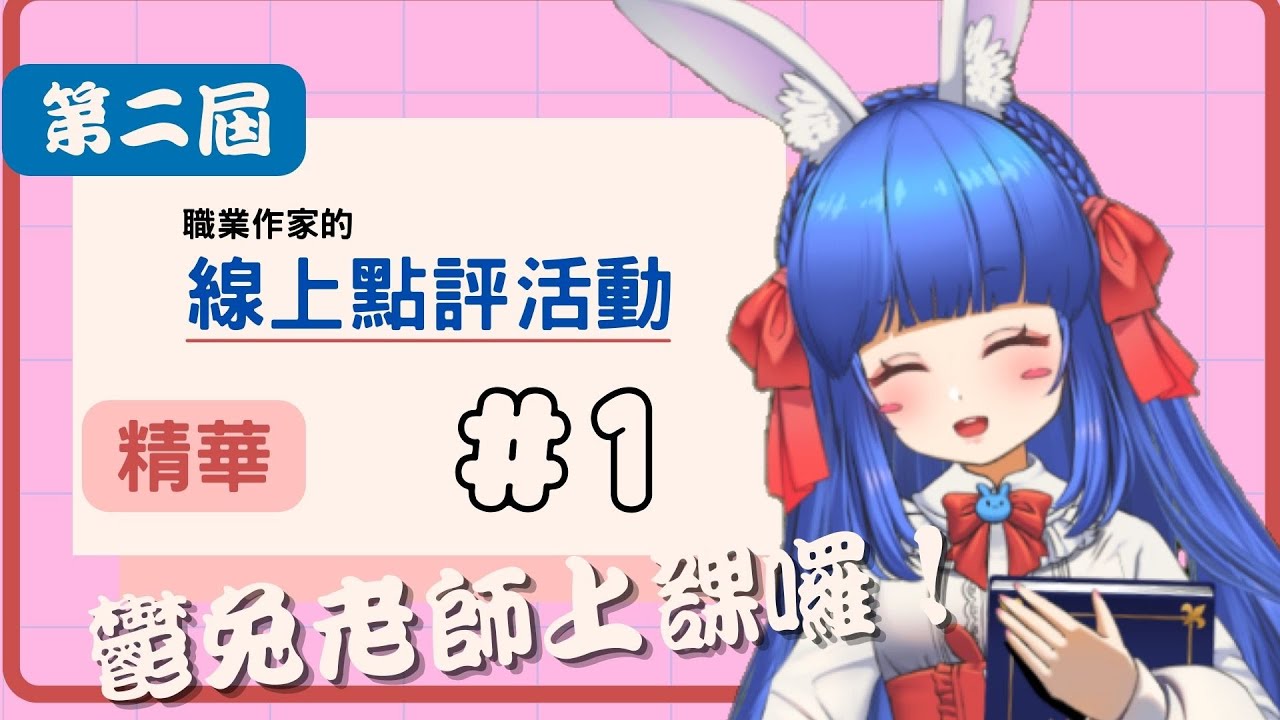
To grab readers in the first paragraph of a novel, put the highlight first: cut unnecessary asides and rambling logs of events, let suspense appear early, and don’t cram in worldbuilding at tense moments.This is the first episode of my second round of online critiques. This article collects the 5 opening problems I point out most often when critiquing readers’ manuscripts. (The examples below come from online critiques readers signed up for; work titles and authors are not listed.)
Problem 1: Too many parenthetical asides
Many beginners use parentheses within sentences to add explanations, such as how to address a character or a definition of a term. This is called an aside, and in novels you should avoid it: a novel can already describe things in fine detail, so whatever needs explaining can simply be written into the sentence. I used to write like this too and was scolded by an editor once.
Too many asides break the flow and emotion of reading. After removing the excess, the main line becomes very clear and the characters stand out more.
Problem 2: At tense moments, don’t rush to cram in worldbuilding
In one battle novel, the enemy was about to attack and everyone was tense, yet the author stopped right then to explain the setting of three abilities. Keep one concept in mind: the more detailed the description in a novel, the longer the sense of time. Something that flashes by in a scene becomes very long when written out, and the tension snaps.
A better approach is to pass quickly over tense moments, and if the setting is important, explain it once things are less urgent, for example through a character recalling it afterward, or answering when someone asks. There’s no need to rush the setting in; let it appear when it should.
📖 Further reading:《嘿!聽說妳在鬼島當作家》 #110: Stop Writing a Rambling Log of Events!
A paragraph with no point easily becomes a log of events. I check every paragraph with three questions: “Is this paragraph necessary? Is it tied to foreshadowing? Would deleting it affect the plot?”
Before you submit, get a working novelist’s eyes on your draft
Rejected without knowing why? Utsudo’s manuscript review reads your work to commercial-publishing standards, points out the problems and market potential, and includes a one-on-one online discussion. Not ready to send a full draft? Book a one-hour novel consultation (NT$3,000; US$100 via PayPal for overseas clients) and bring your specific questions. Sessions are held in Chinese (Mandarin).
Problem 3: The early opening reads like a log of events
In one work, the point where the protagonist actually meets the mysterious girl and the story gets its highlight comes very late; the large section before has no particular meaning, and perhaps only 10 to 20 percent is truly useful. An opening this important written as a log of events is a real pity.
Commercial publishing has to grab readers in the shortest time, so you need a highlight from the very start. The earlier buildup can be greatly cut, jumping straight to “I met a magical girl, and something very different may happen afterward.” To judge whether it’s a log of events, see Always Told Your Novel Is a Rambling Log of Events?.
Problem 4: Suspense should appear early
In another work, the suspense was “the protagonist discovers his mother is an impostor.” That line is very attractive, but after it the author spent several more pages on details like wedding photos and the situation at home; the gap was too long and diluted the suspense that had been hard to build.
I suggest that after pointing out the suspense, you only briefly set up the present situation, describing what’s important and removing unimportant details, and the pace will be much faster. For how to write an opening, see How to Write a Novel Opening.
📖 Further reading:《嘿!聽說妳在鬼島當作家》 #111: Is Writing Stories Hard at the Beginning or the Ending?
Many people get stuck at the opening because they want to write it perfectly in one go. Write down the first scene, then revise later: “Please write boldly; take the first step, and what follows will come.”
Problem 5: A sudden shift in style
In the same work, after the divine messenger appears, the tone jumps from warm and tear-jerking to lively and comedic, which takes a moment to adjust to. If the later plot is all in a lively tone, I suggest adjusting the earlier part in that direction too; otherwise make sure the later part can bring the turn back around. With a consistent overall style, readers won’t be pulled out of the story.
Basics: punctuation and the particles 的, 地 and 得
Another work had interesting characters whose traits stayed consistent, with a real light-novel feel, but the prose was still a bit raw: missing periods at the ends of sentences, inconsistent numbers of dots in ellipses, and the particles 的, 地 and 得 used wrongly. Fix these basics and the work’s score rises a lot. For common beginner mistakes, see How to Write a Novel So It Doesn’t Read Like a Beginner’s.
📖 Further reading:《嘿!聽說妳在鬼島當作家》 #101: Must a Novelist Have Great Chinese Grades?
A feel for language and prose isn’t innate: “as long as you write often and read more, you will surely improve.”
FAQ
How do I write a first paragraph that grabs readers?
Put the most striking event or suspense first, cut meaningless buildup and rambling logs of events, and let readers become curious in the shortest time.
Can I use parentheses for explanations in a novel?
Try not to. Parenthetical asides break the reading rhythm; write what needs explaining directly into the sentence, or explain it at a suitable moment.
Can I explain worldbuilding during a fight or tense scene?
Not recommended. The more detailed the description, the longer the sense of time, which slows the pace. Important settings can wait until things calm down and be explained through recollection or dialogue.
Is it okay if the style differs between the start and later parts?
Best to keep it consistent. A sudden shift in style easily pulls readers out of the story, unless the later plot can reasonably bring the turn back around.
Do I need to watch punctuation before submitting?
Yes. Basics like periods, ellipses and the particles 的, 地 and 得 affect an editor’s first impression of the work.
Ready to bring your work to the publishing market?
Manuscript review, novel consultation, paid public critique and promotion: Utsudo replies within 3 days of your email. All services are conducted in Chinese (Mandarin).
About Utsudo
Utsudo (鬱兔) is a full-time novelist and a novelist VTuber with 40 print books published. Utsudo has worked with publishers and platforms including 三日月, 長鴻, 尖端 (Original Planet / 原創星球), 典藏閣, POPO Original, Penana and KadoKado, and twice received Taiwan’s Ministry of Culture youth creation grants. Want a professional author to read your manuscript? Take a look at Novel Services. Sessions are held in Chinese.
📚 Want more real-life stories from the writing road?The full Hey! I Heard You’re a Writer on Ghost Island series|Ebooks & Works
Leave a Reply